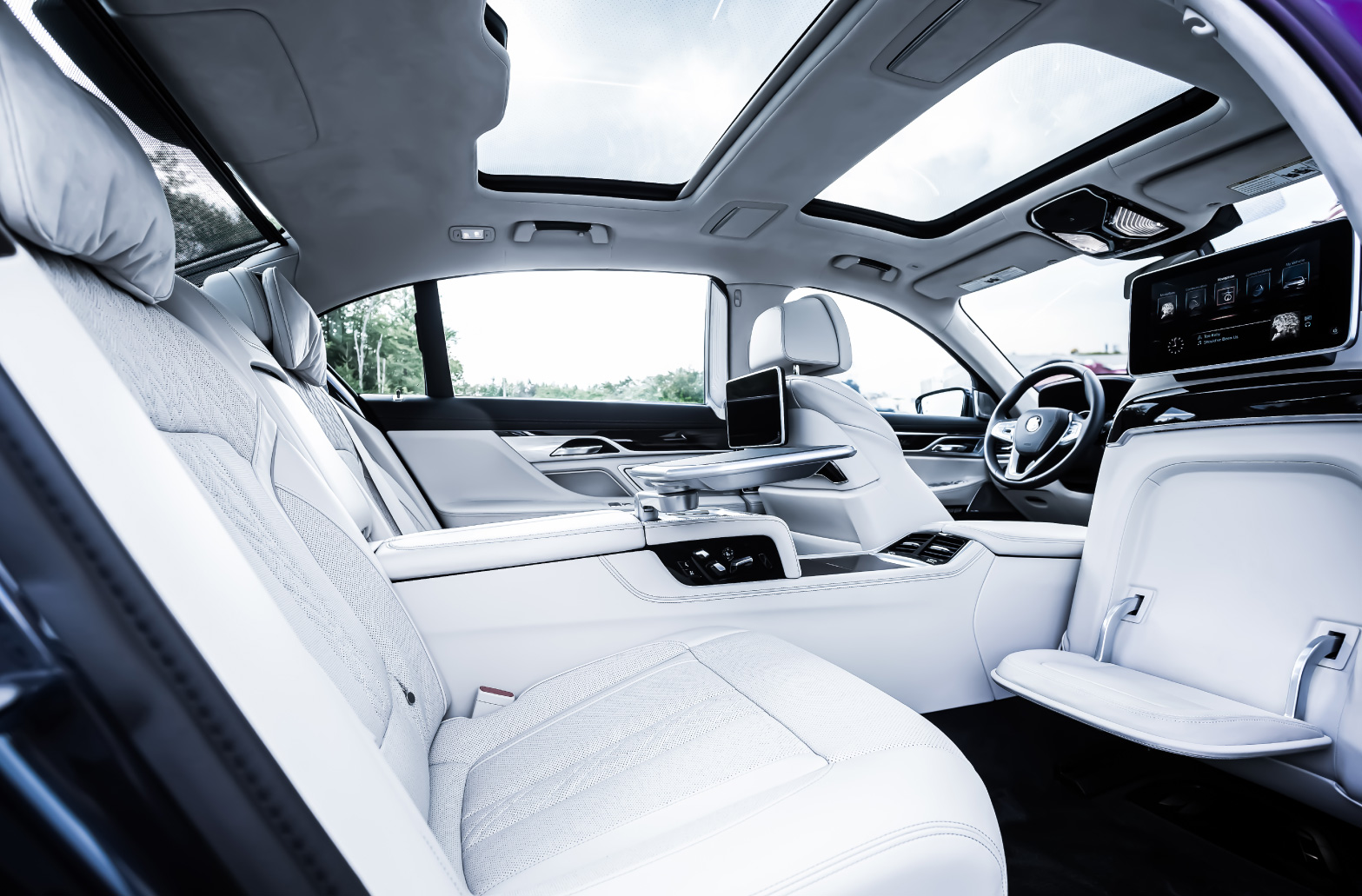
Luxury vehicle interior with Kepler ceramic window tint
Kepler logoWashington

Ceramic Window Tinting in Washington

Explore Washington

What Makes a Film Ceramic

Most window film works one of two ways: a dye that darkens the glass, or a metal layer that bounces heat back off it. Ceramic does neither. Microscopic ceramic particles sit in a clear layer — small enough for visible light to pass around them, sized to catch the infrared you feel as heat. There is no metal in it to upset your phone or your keyless entry, and Kepler builds both of its automotive ranges, Kepler IR and Kepler IR+, around that ceramic layer.

Brand logoTeslaNASA
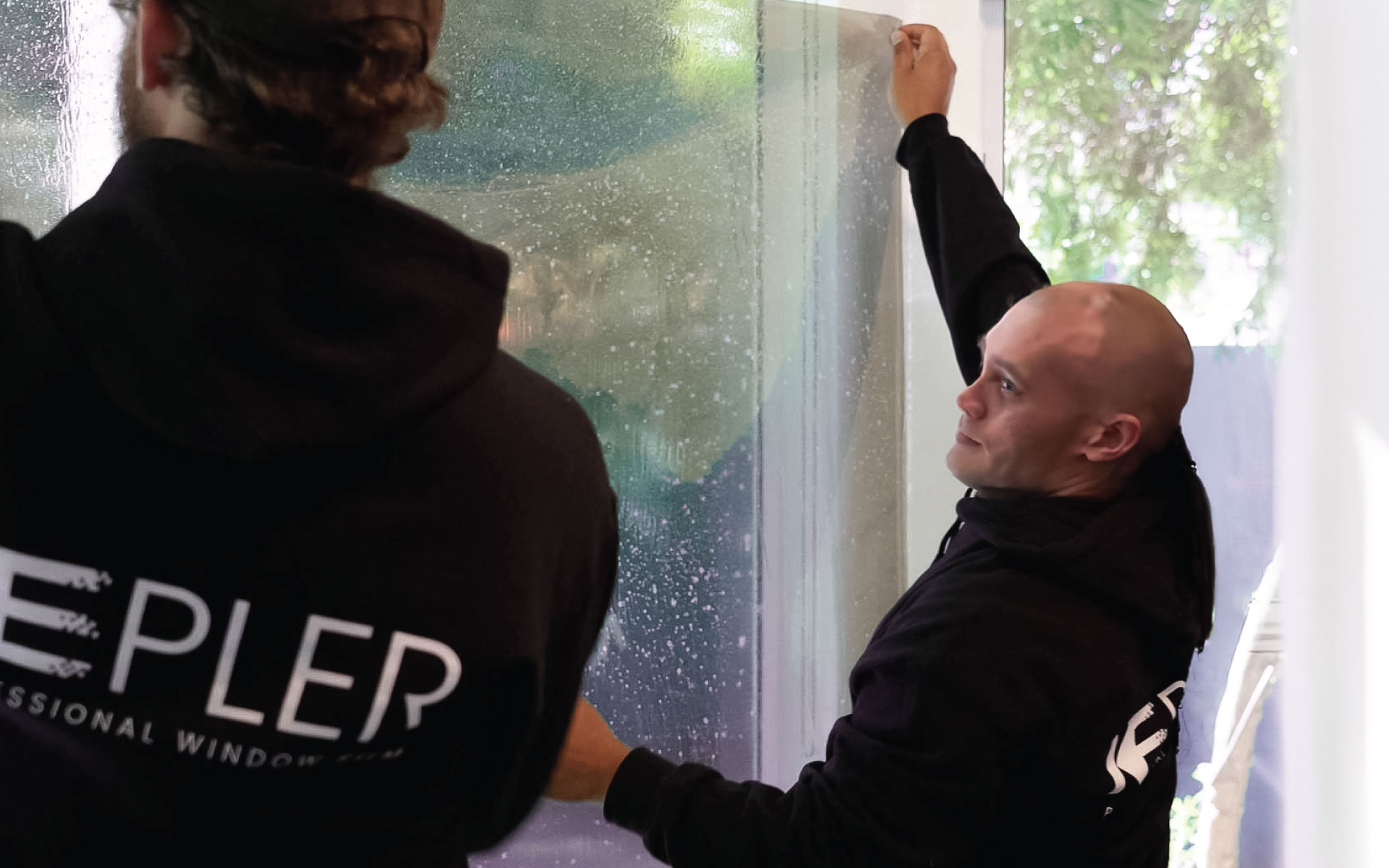
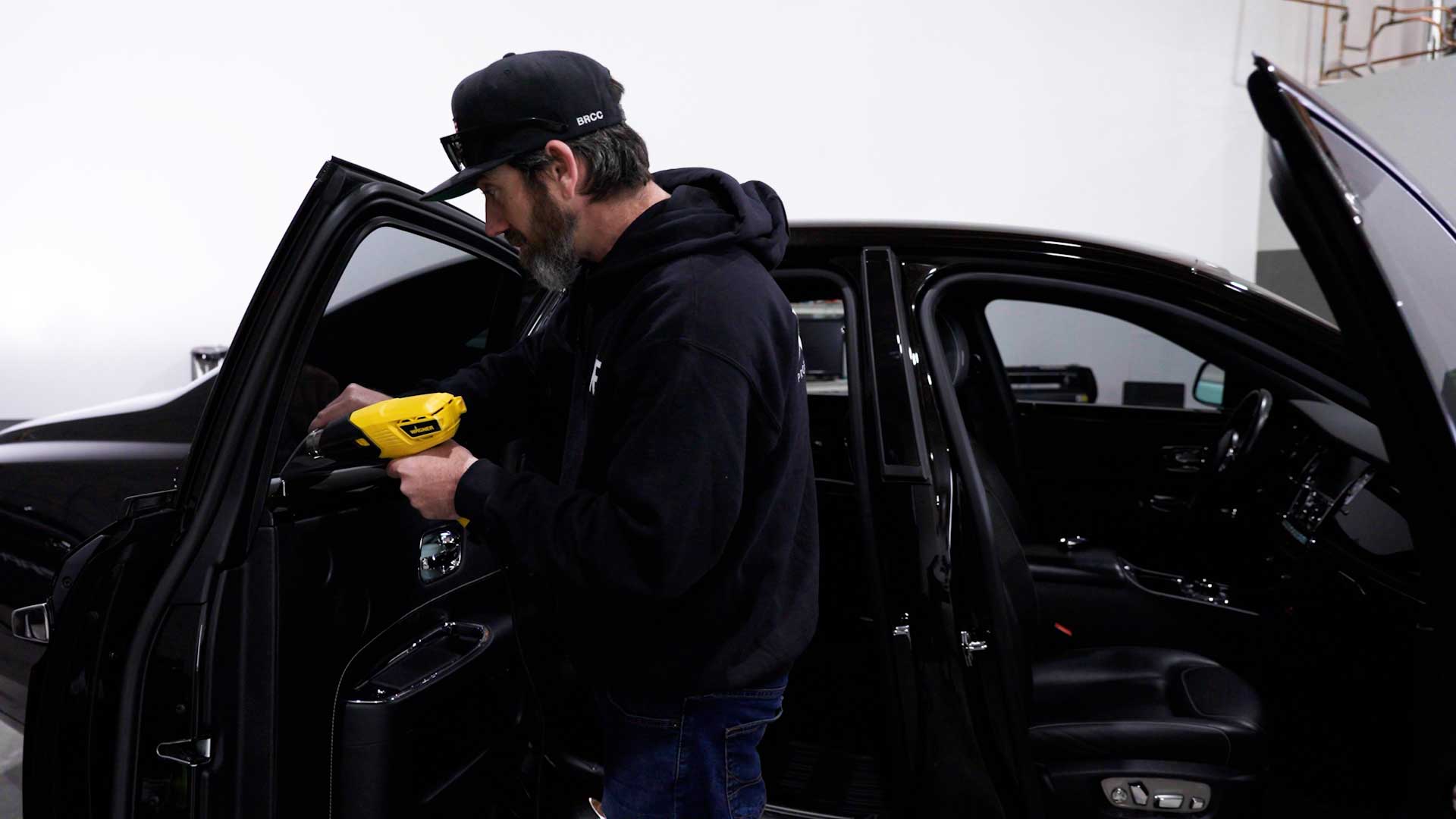
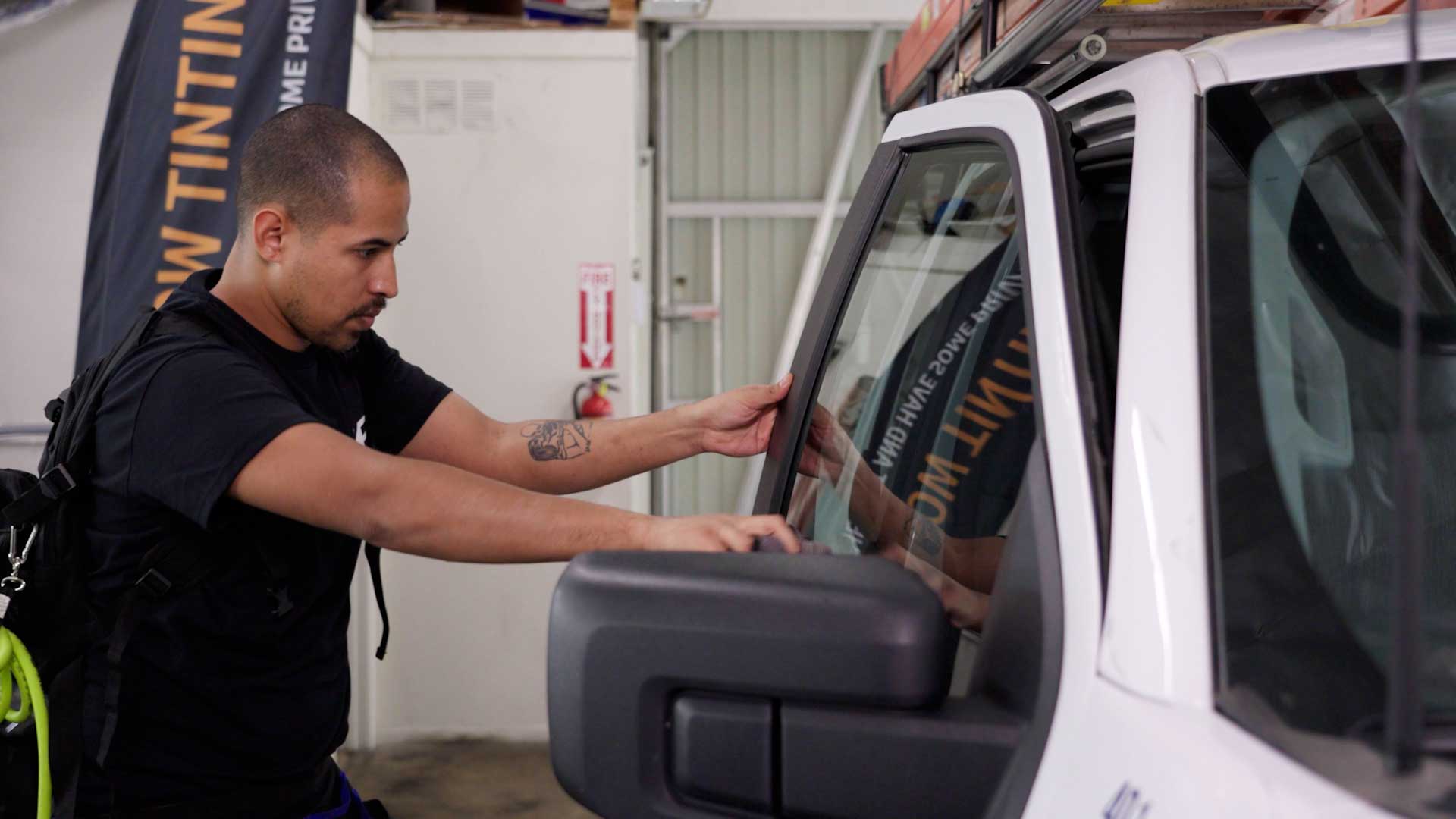
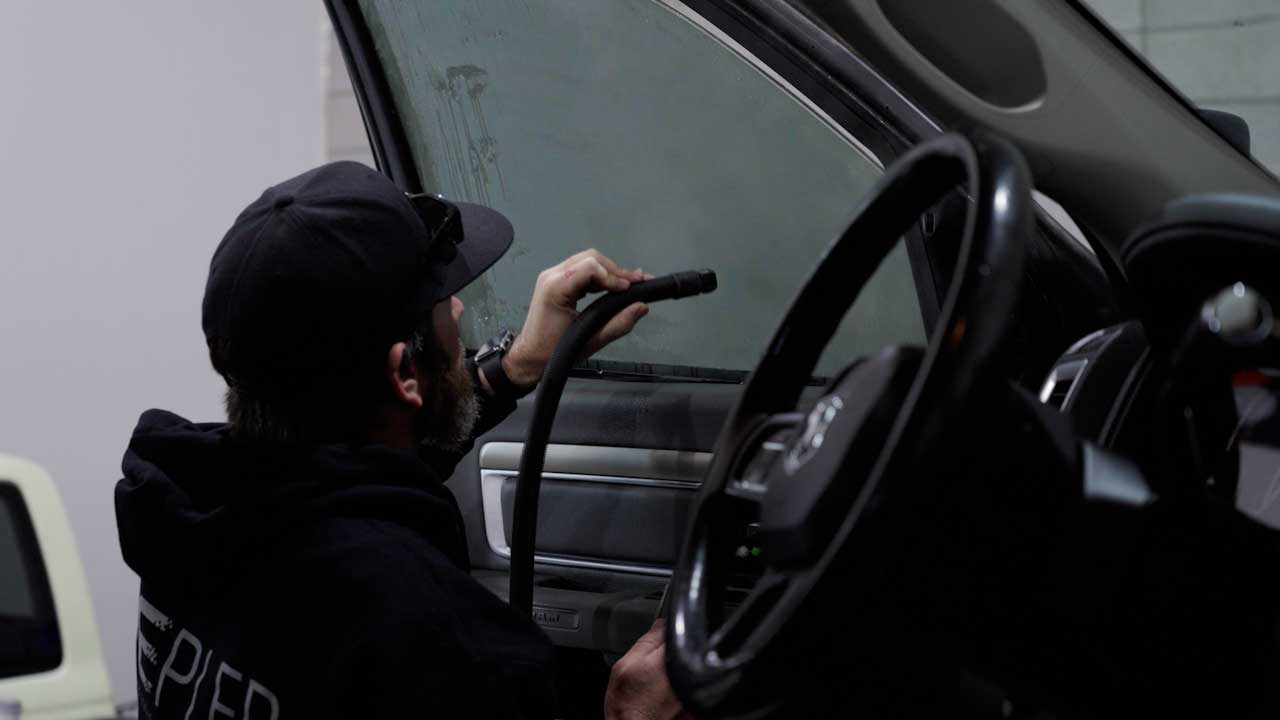
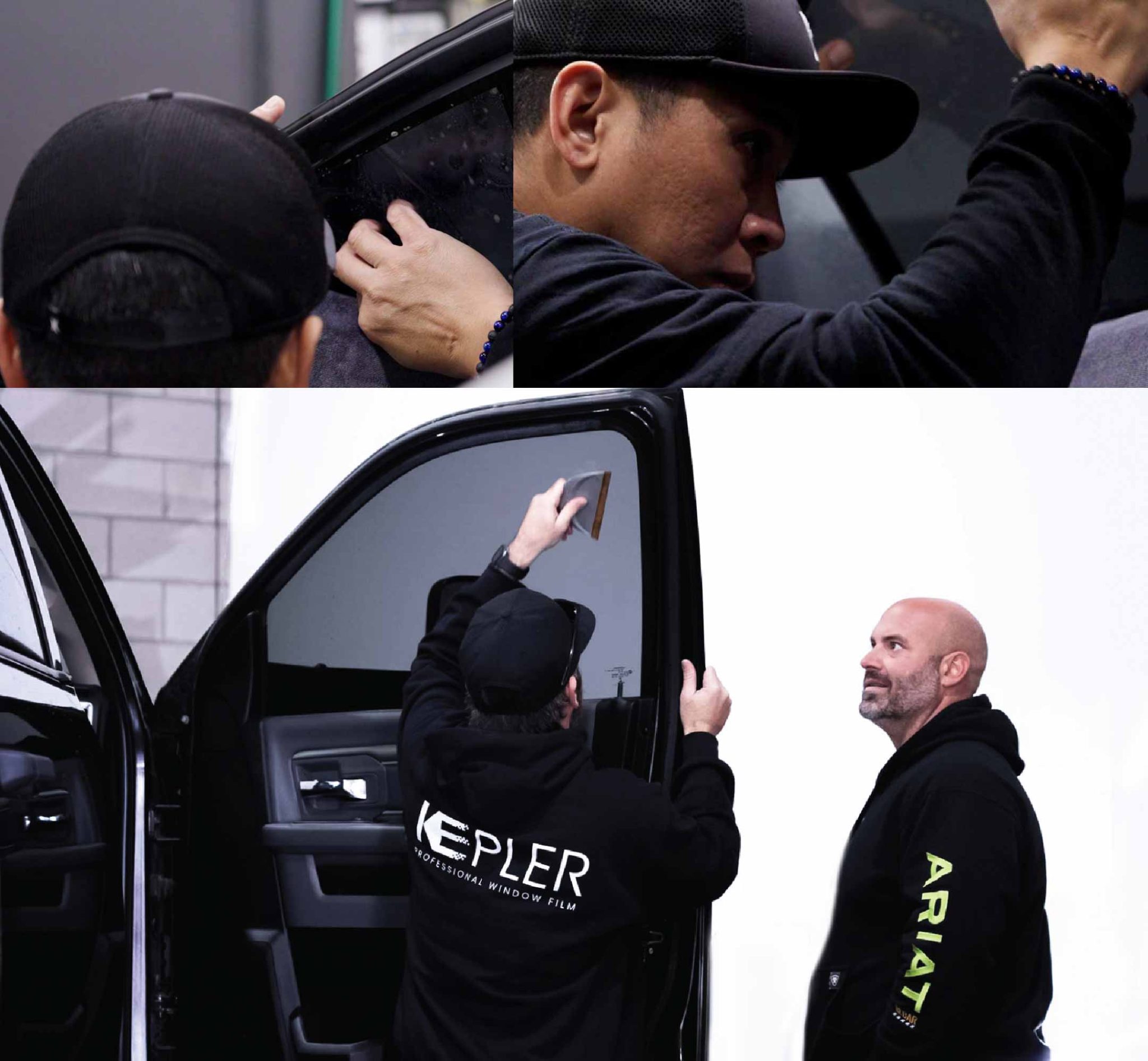
Ceramic Window Tinting Specialist Working

Three Jobs, One Film

A good film has to do three things at once: hold back the heat, cut the glare, and keep ultraviolet off your dashboard and your skin. Kepler’s ceramic ranges give you over 99% UV protection at every shade, from Nebula at its darkest to the near-clear Photon. Go lighter and you lose the shade, not the protection. And the film carries a Warranty Information against manufacturing defects, for as long as you own the car.

Kepler Benefits

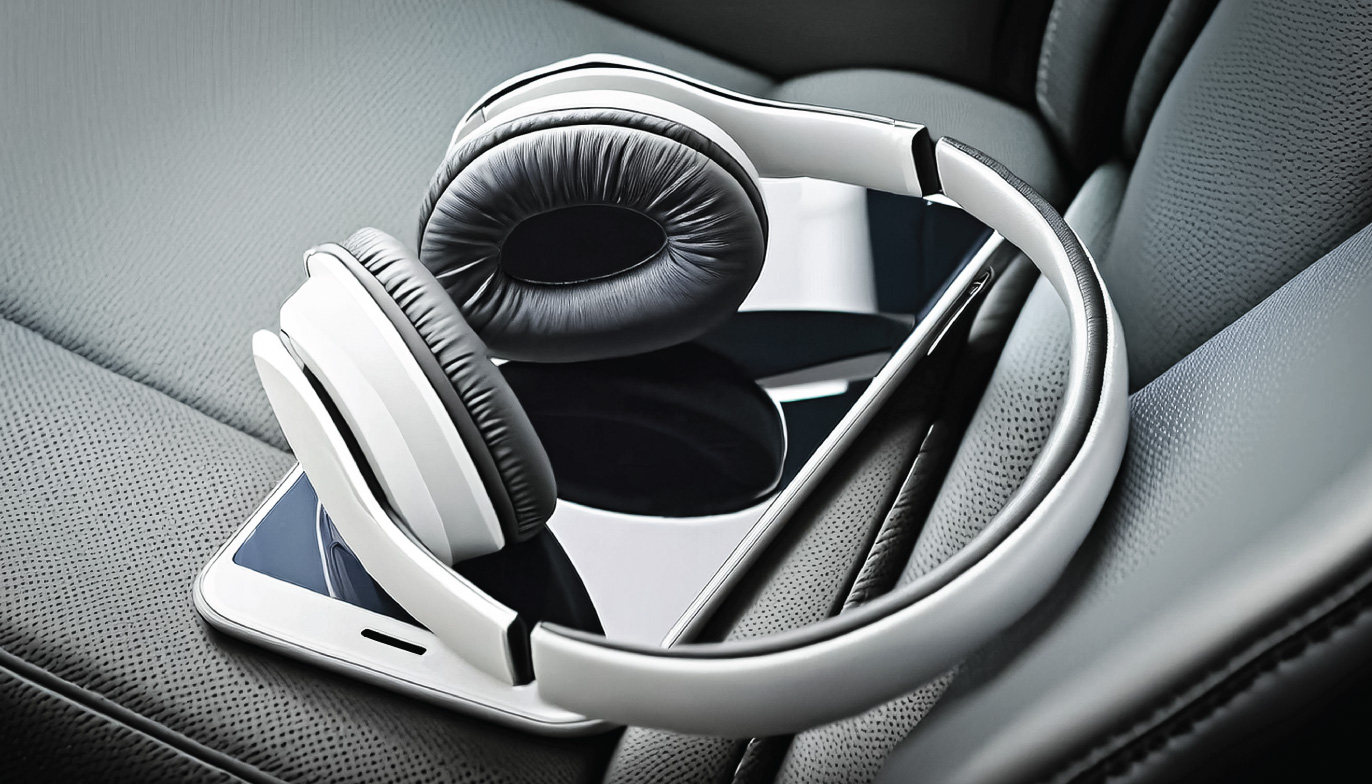
What’s on the Seat Stays Yours

At 4%, Nebula puts the back of the car out of view. In Washington that is film for behind the driver only, and only on a vehicle the manufacturer classed as a truck, motor home or multipurpose passenger vehicle.

Headphones-On-Seat
Security

Ceramic Technology

Choosing Between IR and IR+

Kepler makes ceramic film at two levels, and heat is what separates them. Kepler IR cuts 81% of infrared. Kepler IR+ is published at up to 98%, built around a high-purity ceramic layer with an Ultra Bond adhesive and a Scratch Guard+ coat on top. UV protection is over 99% either way, and both carry a Warranty Information against manufacturing defects — so this is a heat decision, not a protection one.

How to Compare Two Films

Infrared rejection and total solar energy rejection are two different numbers. IR+ is 98% on the first and 51-72% on the second. Compare like with like.

How does Kepler's (IR) Ceramic tint technology work?

Ceramic particles soak up infrared instead of bouncing it off metal. That is why Kepler’s film can stay light to look through, leave your signal alone, and still take the heat out.
Inside the Film

An IR+ build is three things working together: a high-purity ceramic layer doing the heat work, an Ultra Bond adhesive holding it to the glass, and a Scratch Guard+ coat on the side that meets fingers and seatbelts. What is not in it matters just as much — Kepler builds IR+ without dyes or metals, so there is nothing in there to fade, reflect or interfere.

1. Glass
2. Ultra Bond Adhesive
3. UV Absorber
4. Tinted Film
5. Laminating Adhesive
6. Nano-Ceramic (IR) Layer
7. Scratch Resistant Coating

Ceramic Options

Compare our two (IR) ceramic options.

Choose the ceramic package that matches how aggressively you want to control cabin heat in Washington, while keeping UV protection, glare reduction, and Warranty Information coverage.

Option 01

Kepler IR

The everyday ceramic: 81% of the infrared heat gone, in Nebula, Helios, Equinox and Stratum.

Up to

81%

Heat Reduction

Up to

99%

UV Protection

Up to

96%

Glare Reduction

Review

Warranty terms

Option 02

Kepler IR+

The step up: 98% of the infrared heat gone, and the only range with the near-clear Photon in it.

Up to

98%

Heat Reduction

Up to

99%

UV Protection

Up to

96%

Glare Reduction

Review

Warranty terms

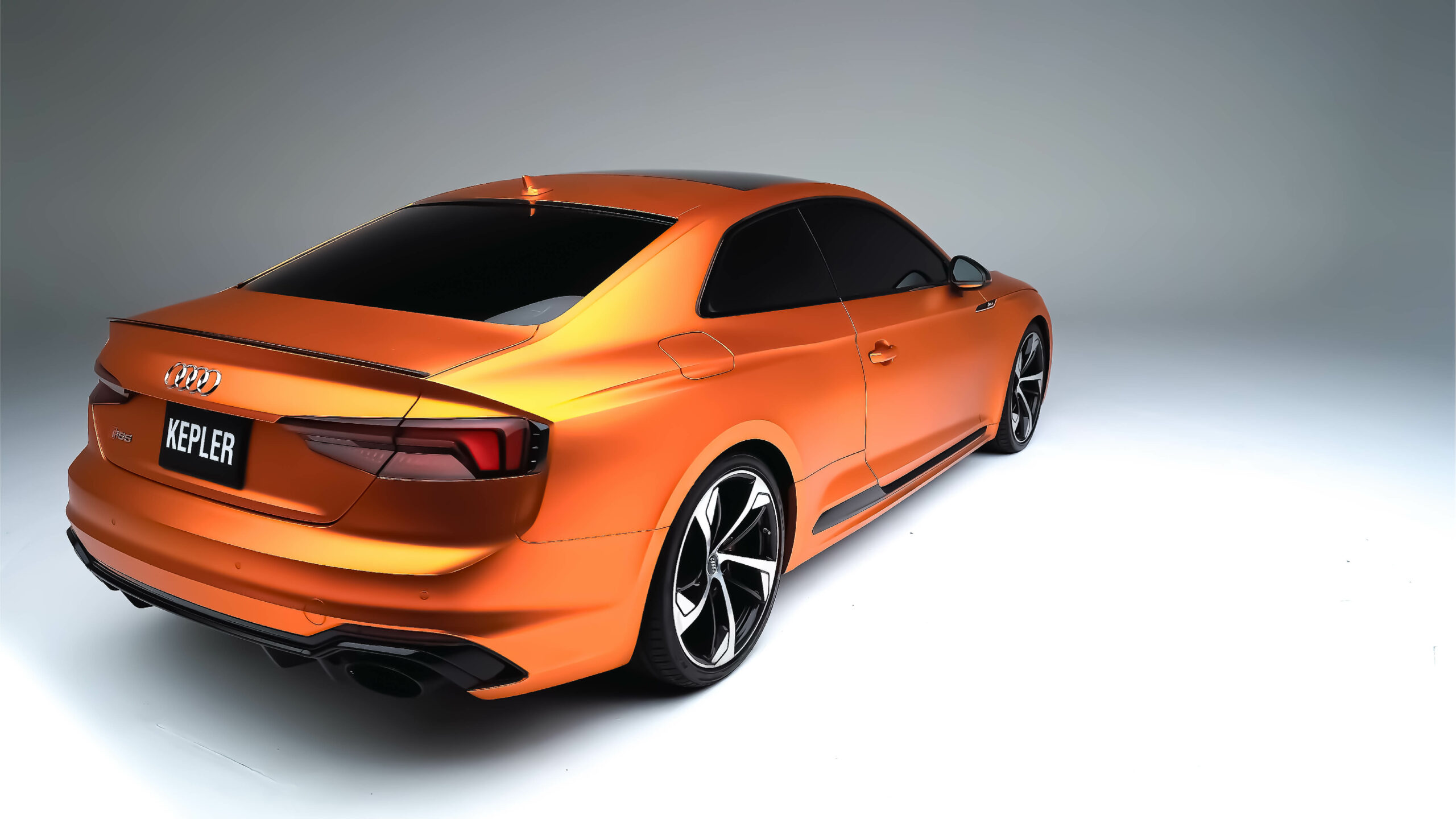
Automotive window film shade preview

Nebula 04%

The darkest ceramic at 4%. Behind the driver only in Washington, and only on a qualifying truck, motor home or multipurpose passenger vehicle.

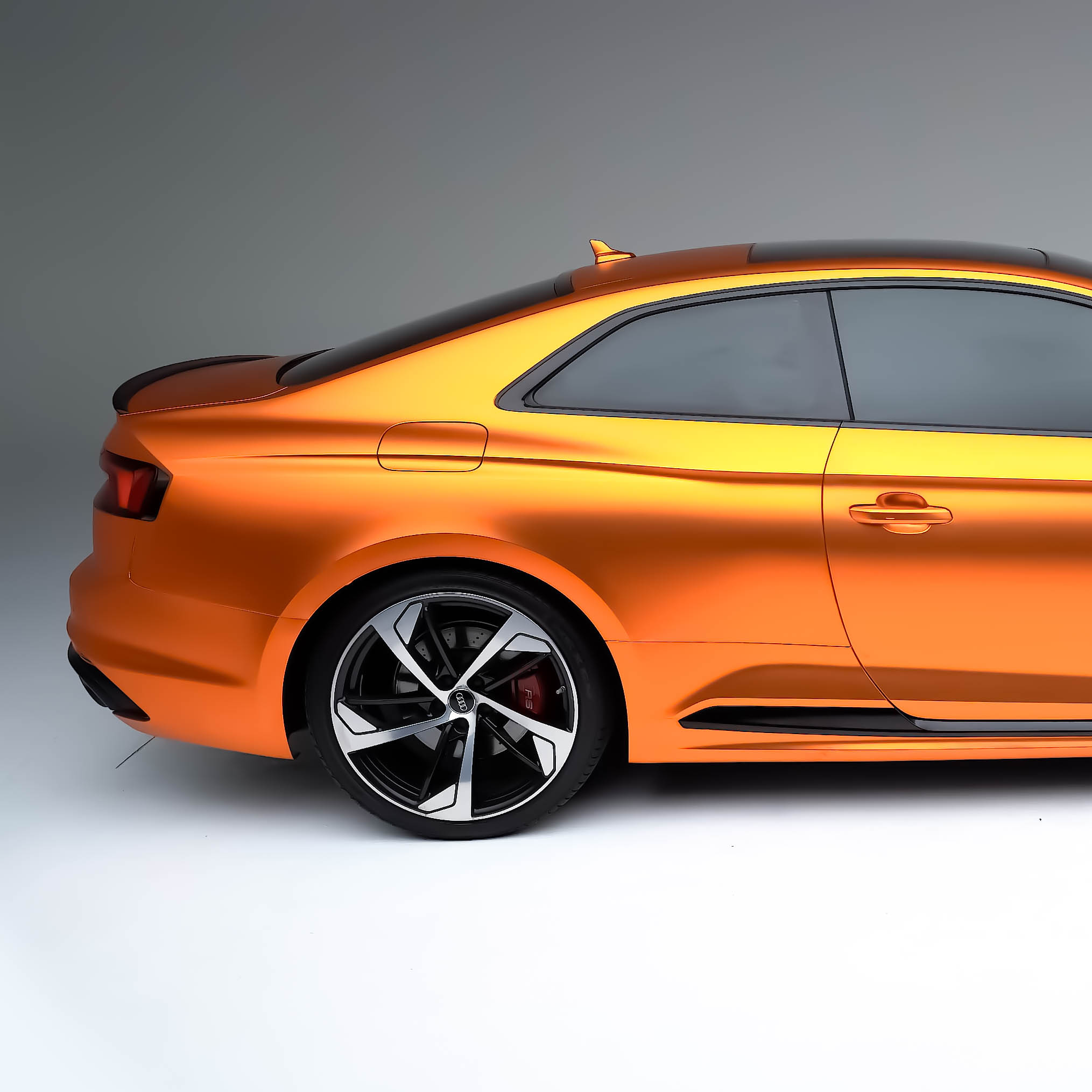
Automotive window film shade preview — side view

See the Ceramic Shades on a Car

A percentage tells you almost nothing about how a car will look. See every Kepler ceramic shade on a real car, from every angle, in daylight and after dark. Have a look here.

Get a Quote for Ceramic Tinting

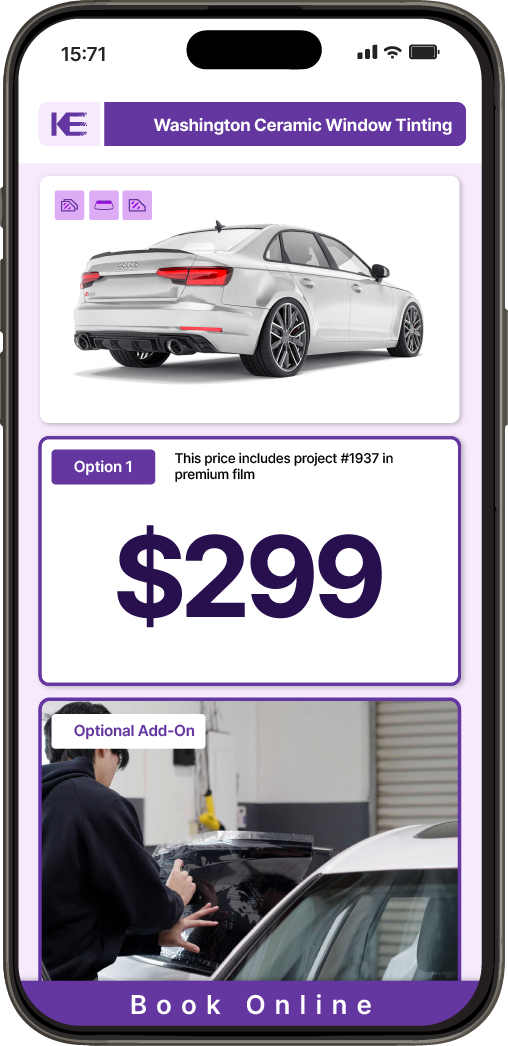
Pick your make and model and the pricing tool gives you an indicative figure. It is a starting point, not a quote — the screen cannot see your glass or know which range you will choose. The price that counts comes from the dealer who looks at the car.

Project Details

Ceramic Window Tinting Washington Prices

Brand logoTeslaNASA
Illustrative window tint quotation screen

What Ceramic Film Gets You

Talk to a Dealer About Ceramic Film

Tell us what you drive and roughly what you want from the film, and we will introduce you to an independent local tinter. They take it from there — the range, the shade, the price and the arrangements.
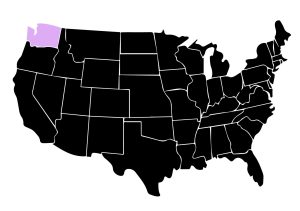
Washington, United States
Follow Kepler

Ceramic Window Tinting in Washington: Common Questions